
For parents
When you know something is not quite adding up
Most parents arrive with the same quiet worry. Their child is brighter than their reading, spelling or writing shows, and no one can quite say why.
If that sounds like you, you are in the right place, and you are not overreacting. There is no referral to chase, and no pressure to commit to anything. We can begin with a conversation, and take it one step at a time.
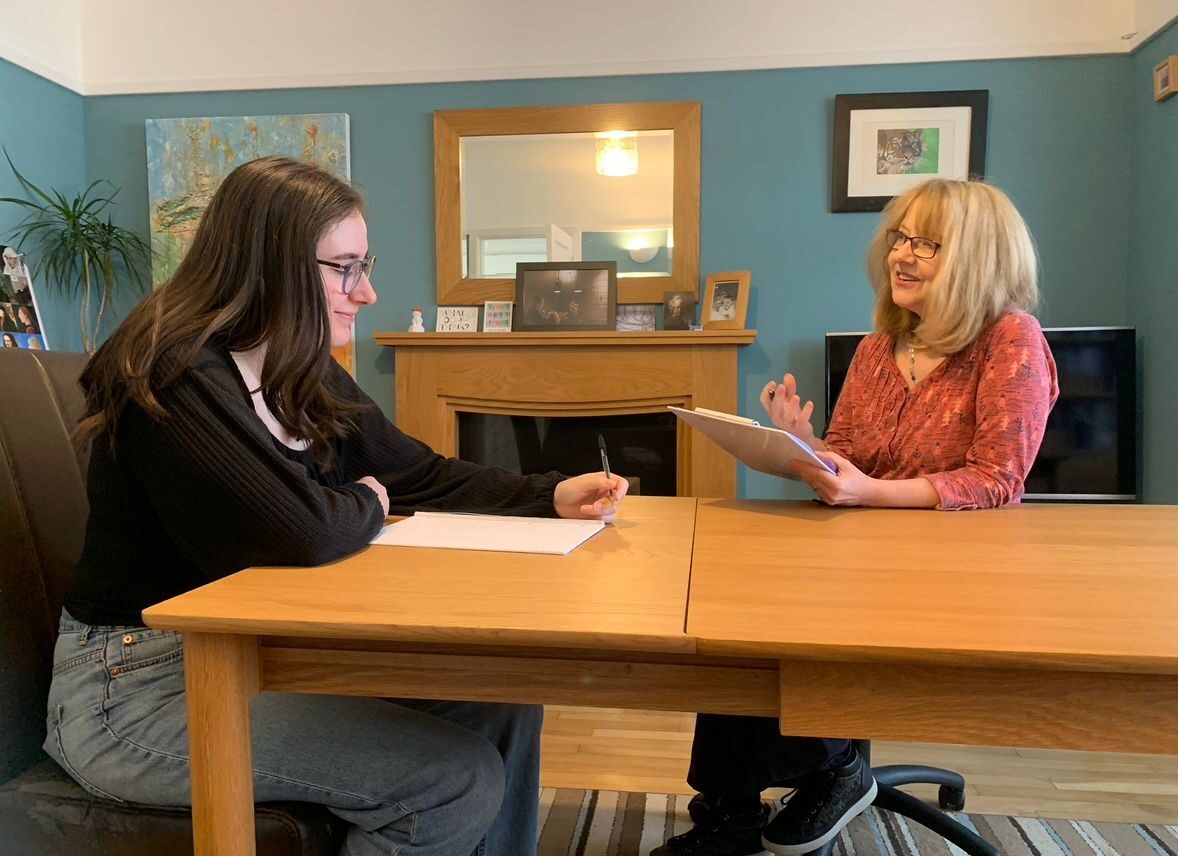
Signs your child might benefit
What to look for, stage by stage
Children show it differently at different ages. Here is what tends to prompt a closer look, and what fits at each stage, from a watching brief to the Literacy and Learning Profile and a full assessment.
Reception to Year 2
Letters and sounds are slow to stick, reading feels effortful, and writing tires them quickly.
What fits: At this age it is usually a watching brief. Many children just need a little time and the right support first.
Year 3 to 6
Reading and spelling lag behind how bright your child clearly is. Homework drags on, and their confidence starts to dip.
What fits: The Literacy and Learning Profile under 8, or a full diagnostic assessment from age 8.
Year 7 to 9
The work gets heavier and the gap shows more. Written work does not reflect what your child knows and can say out loud.
What fits: A full assessment, which also opens the conversation about exam access arrangements.
This page is about children and younger teens. For GCSE and A-level exam access, see Teens & Sixth Form. For sixth form, university and the first years of work, see For Adults.
What school reports might be missing
Reading between the lines
A school report is written to encourage, which is exactly right. But it can make it hard to tell how your child is really doing, in plain terms.
Parents often don’t know how their child is really doing. School reports are rightly positive and encouraging, but “X is starting to be able to” often means “at the moment they can’t, and they should be able to”.
And with a mark of 50 percent, you don’t really know whether that is okay.
SATs at Year 6
You do not need a diagnosis for SATs
A formal diagnosis is not required for access arrangements in the Key Stage 2 SATs. Schools put support in place, such as extra time or a reader, based on how your child usually works in class.
What an assessment adds is clear, evidence-based information for the school to work from, so the right arrangements are easier to agree. The current guidance is published on gov.uk.
Secondary school exam access, at GCSE and A-level, is a more formal process, and that is where a full assessment carries more weight. You can read about that on Teens & Sixth Form.
Younger than 8
The Literacy and Learning Profile
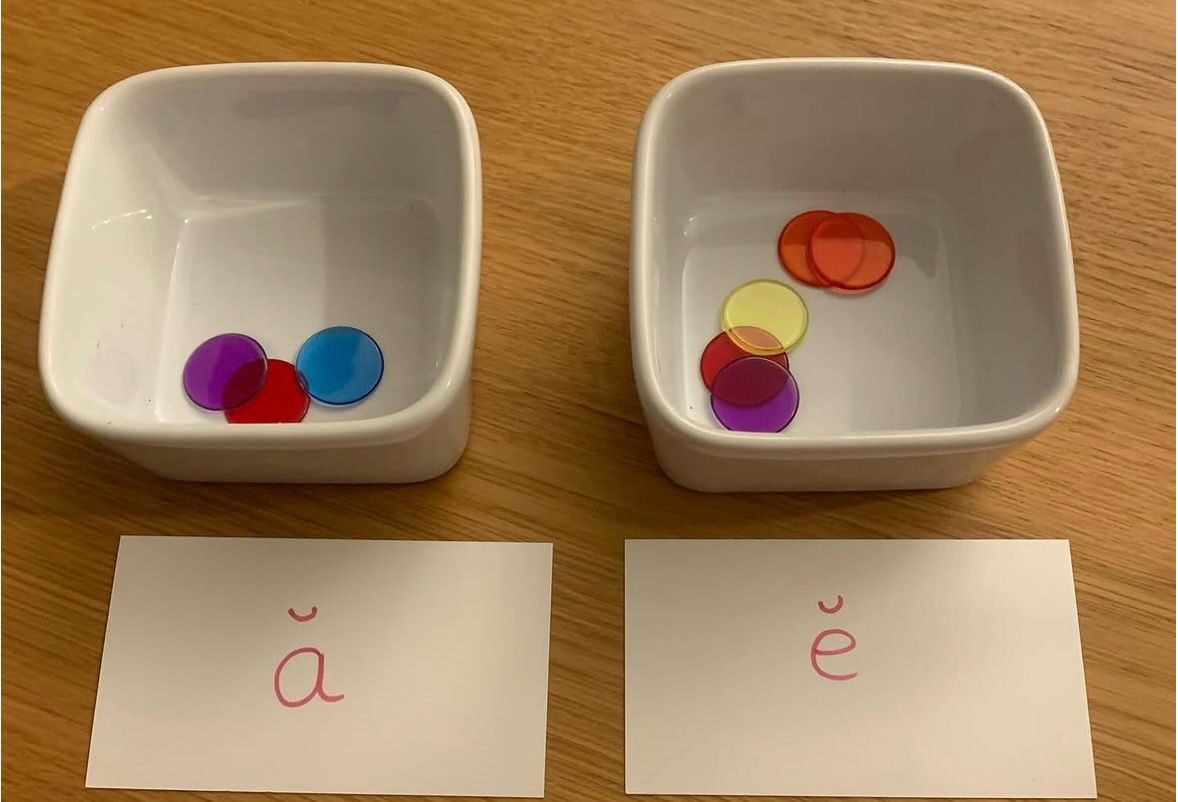
If your child is younger than 8, a full diagnostic assessment is not yet the right tool, and the Literacy and Learning Profile is. It is not a diagnosis, and it is not a quick screen. It is a thorough investigation, usually around 90 minutes, of how your child is learning and where the gaps are.
It looks closely at the building blocks of reading and writing: the sounds inside words, letter knowledge, memory and attention. You come away understanding what is going well and what needs support.
Why a full diagnosis waits until 8
There are good reasons a full diagnostic assessment is not appropriate below 8:
- A period of the right support and intervention should usually come first.
- Children develop at very different rates at this age.
- Your hunch as a parent is often right, but a formal diagnosis needs your child to be at least 8.
- A full assessment asks a child to sit and focus for a long stretch, which is a lot for the very young.
- The standardised test materials are limited below 8.
- The findings are simply more accurate from 8 onwards.
What the Profile gives you
- It avoids the watch-and-wait trap, so nothing is left to drift.
- It comes with recommendations you and the school can use straight away.
- It gives a clear, standardised picture of where your child is right now.
From age 8, the full diagnostic assessment is the natural next step.
The Literacy and Learning Profile is £450.
Your options
Private, school, or NHS?
It helps to know how the routes compare.
The NHS
The NHS does not fund this kind of assessment. It sits outside what they provide, so it is not a waiting list you can join.
Your school
Schools can assess, and many do excellent work, but capacity varies widely. Some have a specialist on hand; many do not, and waits can be long.
A private assessment
You get a clear answer, on your own timescale, and a full report you own and can use with school, exam boards and beyond.
On the day
What it is like, from your child’s point of view
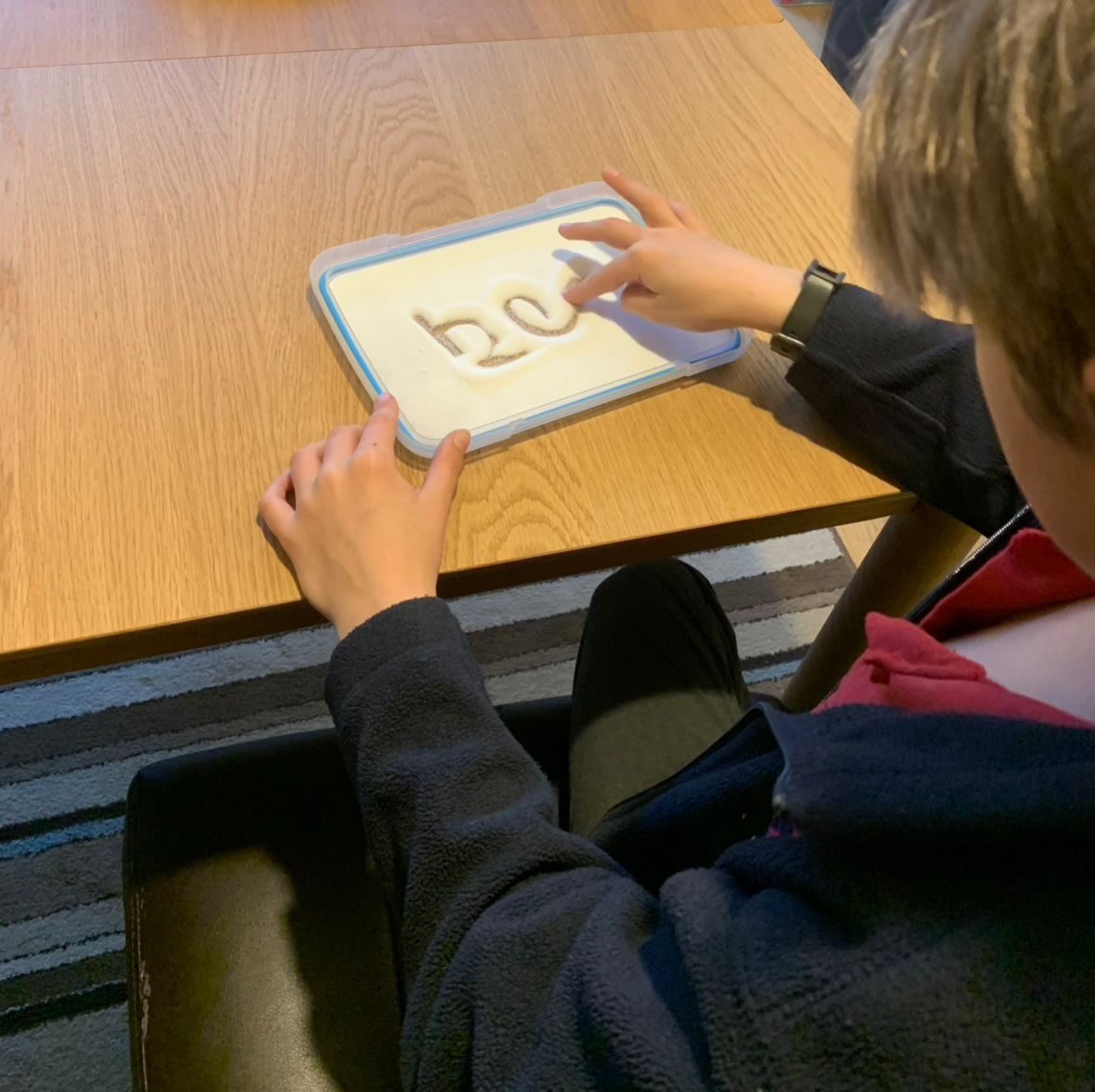
- For a nervous child, the welcome starts at the doorstep, not at a desk.
- We take breaks whenever they are needed, never on the clock.
- There is Lego and drawing for the breaks, and a comfy chair to flop into.
Most children settle faster than their parents expect, and many enjoy it.
You are welcome to wait nearby. I call you about half an hour before we finish, so you have time to come back and collect.
For the school
A report your school can act on
Before I was an assessor, I was a SENDCo. I have sat on the school side of the table, so I know what a busy school can actually do with a report, and what tends to sit in a drawer.
So I write recommendations a teacher can act on: practical, specific, and matched to your child. The report is built to be used, not filed.
In practice that might be a particular reading approach, a change to how instructions are given, or the clear evidence a school needs to put extra time in place.

Common questions
The questions parents ask most
Do I need a referral?
No. You can come straight to me, with no referral from a GP or a school.
How young is too young?
From age 8, a full diagnostic assessment is possible. Younger than 8, the Literacy and Learning Profile is the right step instead.
How long does it take?
A full assessment is usually around two and a half hours, with breaks whenever they are needed. The Literacy and Learning Profile is around 90 minutes.
What if it turns out not to be dyslexia?
The assessment is still worth having. You leave with a clear picture of how your child learns and where support helps. If something else is worth exploring, I say so and point you to the right person.
Will my child’s school recognise the report?
The report is written to the current SASC guidelines, the standard schools and universities recognise, and it is yours to use. For exam access arrangements, it can provide useful evidence, though schools make those decisions under the JCQ regulations.
How much does it cost?
A full diagnostic assessment is £595. The Literacy and Learning Profile, for children under 8, is £450.
Payment plans are available on request.
Still not sure?
That is exactly what the free 30-minute call is for. Tell me a little about your child, and we will work out the right next step together, with no pressure either way.
Book a free 30-minute chat
We can start with a conversation
Tell me a little about your child, and we will find a time to talk. I answer every enquiry personally, usually within a day.
Or call or text 07912 147199, or email info@dyslexia-assessment-surrey.co.uk.